
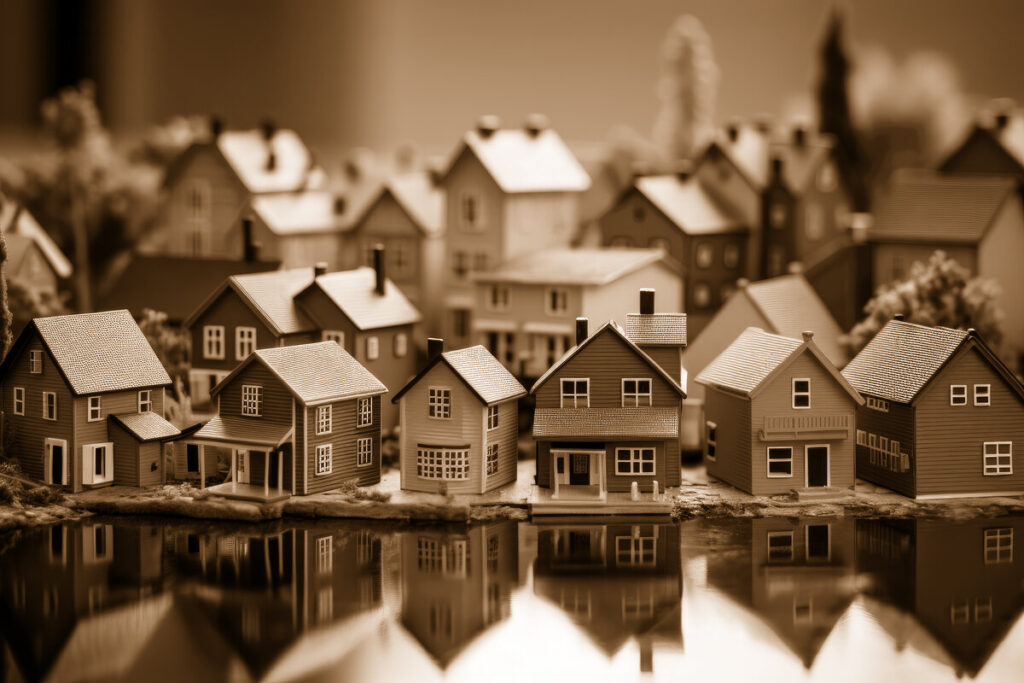
Nestled northwest of downtown Chicago, Bucktown is a neighborhood where history lingers on every corner, layered with the creativity and vibrancy of a dynamic urban community. Long before its trendy boutiques and bustling nightlife, Bucktown’s past was shaped by waves of immigrants, resilient families, and a spirit of transformation that continues to define it today.
Origins: From Prairie Land to Urban Roots
Bucktown traces its roots back to the 1830s and 1840s, when the area was mostly prairie and farmland. Before the grid of Chicago’s signature streets existed, this patch of land was dotted with small farms and cottages developed by Polish immigrants. The early settlers were drawn by the promise of work, land, and a place to start anew. Stretching roughly from Western Avenue east to the Interstate 90/94 Kennedy Expressway, and from Fullerton Avenue north to Armitage Avenue, Bucktown’s boundaries have always encapsulated a spirit of both independence and community.
How Bucktown Got Its Name
The name “Bucktown” is part of local legend and lore. In the late 19th century, the area teemed with Polish immigrants who kept goats—male goats, or “bucks”—in their backyards. Goats were practical; they provided milk, could survive on scraps, and were well-suited to city living. The sight (and sounds) of these goats became so synonymous with daily life that the area was affectionately called “Kozie Prery,” or “Goat Prairie,” in Polish—a name that evolved into “Bucktown.” To this day, the goat remains an unofficial symbol for the neighborhood and can be found on local murals and community art.
Key Historical Milestones
- Polish Immigration & St. Mary of the Angels Church: In the late 1800s and early 1900s, Bucktown was at the heart of Chicago’s “Polish Downtown.” St. Mary of the Angels, located at 1850 N. Hermitage Avenue and built in 1920, remains one of the city’s most ornate and beautiful Polish Cathedrals. Its towering spires and intricate interior mosaics are a testament to the enduring faith and craftsmanship of the neighborhood’s earliest residents.
- Industrial Boom & Urban Growth: As Chicago expanded, Bucktown’s quiet farms gave way to factories, breweries, and brick two-flats. Armitage and Damen Avenues became hubs of commerce, home to bakeries, taverns, and shops that served the growing working-class population. The Chicago, Milwaukee, and St. Paul Railway ran through the neighborhood, helping fuel its commercial transformation.
- Post-War Decline & Artistic Renaissance: Like many city neighborhoods, Bucktown faced economic challenges after World War II as industry moved out and families followed. By the 1970s and 80s, affordable rents and available studio space attracted a new wave: artists, musicians, and young professionals. The neighborhood buzzed with creative energy, fostering galleries, independent theaters, and a vibrant cultural scene that would eventually shape Bucktown’s modern identity.
Notable Landmarks and Institutions
- St. Mary of the Angels Church: As mentioned above, this “Cathedral of the North Side” is a must-see for its architecture and history, with its twin spires visible from the Kennedy Expressway.
- Holstein Park: Situated at 2200 N. Oakley Avenue, Holstein Park has been a community gathering place since 1912. The park offers everything from a historic fieldhouse to a beloved outdoor pool. It’s a favorite spot for summer picnics and the annual Bucktown Arts Fest, a major neighborhood event.
- The 606: This elevated rail line-turned-greenway runs along the neighborhood’s southern edge, offering a leafy, car-free route for joggers, cyclists, and families. Accessed via Milwaukee and Damen Avenues, The 606 links Bucktown with neighboring Logan Square, Wicker Park, and Humboldt Park.
- Damen Avenue Shopping & Dining: Vintage buildings along Damen house some of Bucktown’s best-known boutiques, coffee shops, and restaurants. This lively strip blends old-world charm with modern flair, drawing crowds from across the city.
Streets With a Story
Bucktown’s streets map the story of changing times. Armitage Avenue, once lined with hardware stores and local grocers, now boasts chic eateries and indie shops. Milwaukee Avenue, the southwest border of Bucktown, started as a Native American trail, became a streetcar route, and today bubbles with vibrant street art, nightlife, and eclectic cuisine.
On quieter blocks north of Cortland and west of Damen, you’ll spot classic workers’ cottages, old brick two-flats, and the occasional ornate mansion—reminders of the neighborhood’s richly layered past. Streets like Leavitt, Winchester, and Honore reflect the transition from modest immigrant roots to a celebrated urban address.
Evolution and Resilience
Through cycles of prosperity, struggle, and resurgence, Bucktown’s soul has remained steadfast. The neighborhood was shaped by people who built institutions, weathered change, and fought to maintain a sense of belonging. Its Polish, German, Latino, and more recently, multi-ethnic residents each added unique cultural threads to the community fabric.
Today, Bucktown is known for its mix of historic charm and creative energy. Industrial lofts rub elbows with sleek modern homes. Family bakeries share blocks with farm-to-table restaurants and tattoo parlors. What was once an enclave for recent arrivals has become a destination for artists, entrepreneurs, and families seeking a quintessential Chicago vibe with a distinctive neighborhood heartbeat.
What Makes Bucktown Special
Ask any longtime resident, and you’ll hear about the “neighborhood feel” that persists in Bucktown despite its popularity. Tree-lined streets, block parties, cozy local haunts, and neighbors who know each other’s names continue to define daily life. The echoes of its immigrant past are never far away, whether in a church spire glinting in the sun, a mural of a goat on a side street, or the aroma wafting from a bakery early in the morning.
Bucktown may have changed, but at its core, it remains a place where old stories and new dreams intersect—a living tapestry that is as welcoming as it is unique.